Love this? Save it for later!
Share the inspiration with your friends
This was supposed to be a butternut squash soup. I had the whole plan laid out in my head—sauté the onions, roast the squash until it caramelized, blend it all with a little cream and sage. A cozy Sunday project. But somewhere between peeling that stubborn squash and realizing my immersion blender had gone missing (my teenager “borrowed” it for a slime project, apparently), the whole thing went sideways. I stood there staring at a pot of roasted squash and pasta, wondering what in the world I was going to do with this mess.
I almost threw it out. Honestly, I was that close. But the kids were hungry, the clock was ticking, and I had already poured too much love into that squash to give up. So I grabbed a block of cheddar, some milk I was hoping hadn’t turned, and started stirring. What came out of that pan was nothing like the soup I planned—and way, way better.
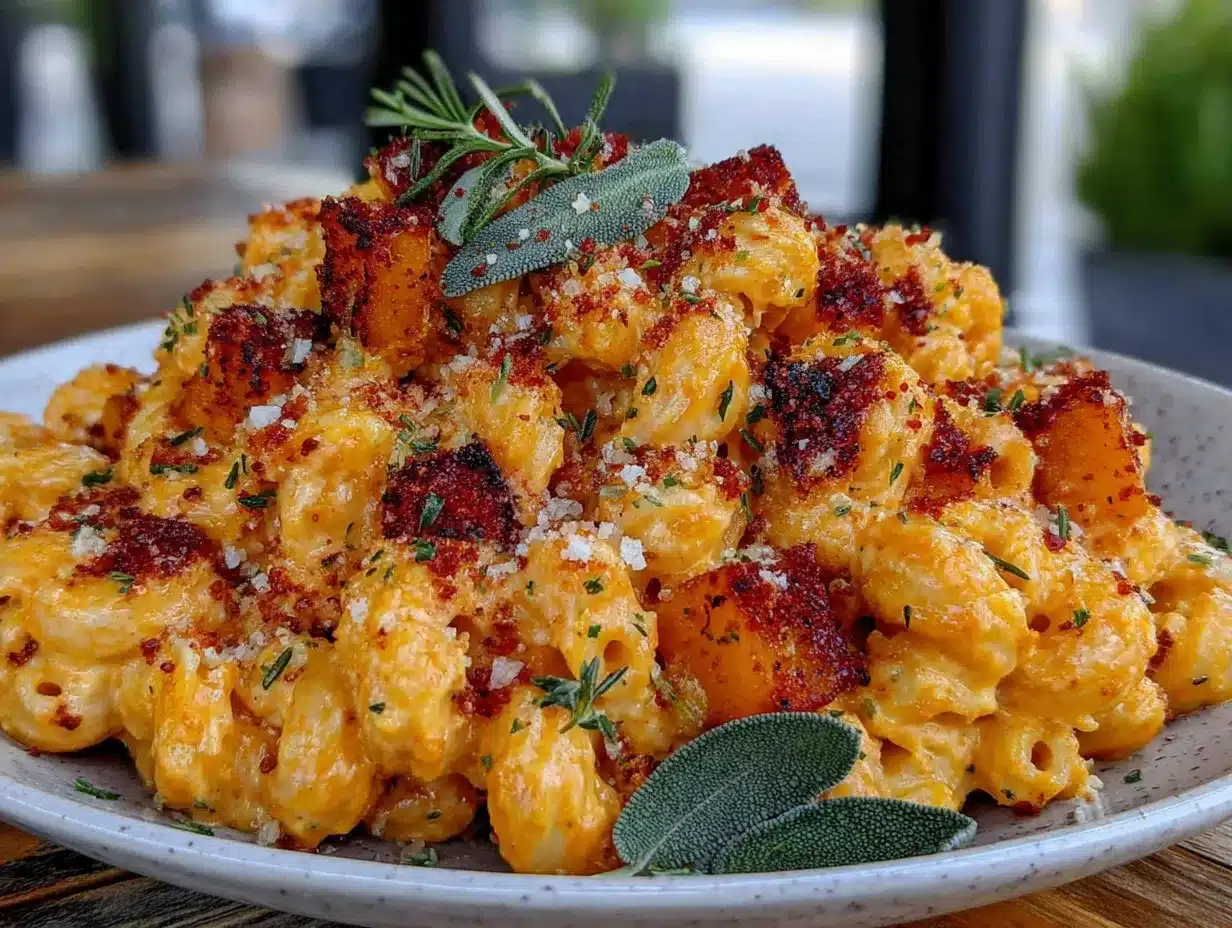
That first bite had this unexpected creaminess that made me stop mid-chew. The squash had melted into the cheese sauce so completely that my picky seven-year-old asked for seconds before I could even tell her it had vegetables in it. You know that feeling when a kitchen disaster turns into a new family favorite? This was that moment. And let me tell you, I’ve been making it on purpose ever since.
Why You’ll Love This Recipe
Let’s be real—feeding a family on a budget while trying to sneak in some nutrition feels like a full-time job sometimes. This creamy butternut squash mac and cheese checks every box without making you feel like you’re compromising on flavor.
- Budget-Friendly : One butternut squash costs about the same as a box of processed mac, but stretches way further. You’re getting a whole vegetable plus dinner for pennies per serving.
- Picky Eater Approved : The squash blends right into the cheese sauce. My kids have no idea they’re eating something orange and healthy—they just know it’s creamy and delicious.
- 30 Minutes to Table : If you prep the squash ahead (or buy it pre-cut), this comes together faster than takeout. I’ve timed it.
- Leftovers That Reheat Like a Dream : This isn’t one of those mac and cheeses that turns into a dry mess the next day. The squash keeps the sauce silky even after a night in the fridge.
- One-Pot Option : You can roast the squash while the pasta boils, then blend everything right in the pot. Less dishes, more time with your people.
What makes this recipe different from every other mac and cheese out there? It’s the way the squash adds this natural sweetness and velvety texture without any heavy cream. I tested this version about seven times before landing on the perfect ratio—enough squash to make it creamy, enough cheese to make it taste indulgent. It’s comfort food that actually makes you feel good.
What Ingredients You Will Need
This recipe uses simple, wholesome ingredients that you can find at any grocery store without breaking the bank. Most of these are probably in your kitchen right now.
For the Butternut Squash Puree
- 1 medium butternut squash (about 2-3 pounds), peeled, seeded, and cubed
- 2 tablespoons olive oil
- 1/2 teaspoon salt
- 1/4 teaspoon black pepper
- 1/4 teaspoon garlic powder
For the Cheese Sauce
- 3 tablespoons unsalted butter
- 3 tablespoons all-purpose flour
- 2 cups whole milk (warm, if possible)
- 1 cup butternut squash puree (from above)
- 2 cups sharp cheddar cheese, shredded (I recommend Tillamook or Cabot for best melting)
- 1/2 cup grated Parmesan cheese
- 1/2 teaspoon dry mustard powder (adds that classic mac and cheese tang)
- 1/4 teaspoon smoked paprika
- Salt and pepper to taste
For the Pasta
- 1 pound elbow macaroni (or any short pasta like shells, cavatappi, or rotini)
- Salt for pasta water
Optional Topping
- 1/2 cup panko breadcrumbs
- 2 tablespoons melted butter
- 1/4 cup grated Parmesan cheese
Ingredient Tips: Look for a squash that feels heavy for its size with a smooth, unblemished skin. If you’re short on time, most stores sell pre-cubed butternut squash in the produce section—just know it’s a little pricier. For the cheese, always shred it yourself from a block. Pre-shredded cheese has anti-caking agents that prevent smooth melting, and you want that sauce silky. If you need a dairy-free option, use unsweetened oat milk and dairy-free cheddar shreds, though the texture will be slightly less creamy.
Equipment Needed
You don’t need a fancy kitchen to pull this off. Here’s what I use:
- Large pot for boiling pasta (4-5 quarts)
- Baking sheet for roasting the squash
- Blender or food processor (an immersion blender works too—if you can find yours)
- Medium saucepan for the cheese sauce
- Wooden spoon or whisk
- Box grater for shredding cheese (skip the pre-shredded stuff!)
- 9×13 inch baking dish if you’re making a baked version
Budget-Friendly Tip: If you don’t have a blender, just mash the roasted squash really well with a potato masher or fork. It won’t be as smooth, but it’ll still taste amazing. I’ve done it that way when my blender was in the dishwasher, and honestly, the slightly chunky texture is kind of nice.
Preparation Method
Let’s get cooking! This comes together in about 30 minutes of active time, plus roasting time for the squash.
Step 1: Roast the Butternut Squash
Preheat your oven to 400°F (200°C). Toss the cubed squash with olive oil, salt, pepper, and garlic powder on a baking sheet. Spread it in a single layer—crowding the pan will steam it instead of roasting it. Roast for 25-30 minutes, flipping halfway through, until the squash is tender and starting to brown at the edges. You’ll know it’s done when a fork slides through easily.
Step 2: Make the Squash Puree
Let the roasted squash cool for about 5 minutes, then transfer it to a blender or food processor. Add about 1/4 cup of water or milk and blend until completely smooth. You should have about 1 cup of puree. Set this aside while you cook the pasta.
Step 3: Cook the Pasta
Bring a large pot of salted water to a boil—it should taste like the sea. Add your pasta and cook according to package directions until al dente, usually about 8-10 minutes. Before draining, reserve about 1 cup of pasta water. Drain the pasta and set it aside. Don’t rinse it—that starch helps the sauce stick.
Step 4: Make the Cheese Sauce
In a medium saucepan, melt the butter over medium heat. Whisk in the flour and cook for about 1 minute, stirring constantly. This is your roux—it should smell toasty and look like wet sand. Slowly pour in the warm milk while whisking to prevent lumps. Keep whisking until the mixture thickens, about 3-4 minutes. It should coat the back of a spoon.
Step 5: Add the Squash and Cheese
Reduce the heat to low. Stir in the butternut squash puree until fully combined. The sauce will turn this beautiful golden-orange color. Add the shredded cheddar, Parmesan, dry mustard, and smoked paprika. Stir until the cheese is completely melted and the sauce is smooth. If it seems too thick, add a splash of the reserved pasta water to loosen it up.
Step 6: Combine and Serve
Pour the cheese sauce over the cooked pasta and stir until every piece is coated. Taste and adjust seasoning with salt and pepper. If you’re going the baked route, transfer everything to a greased 9×13 dish, top with the panko mixture, and bake at 375°F (190°C) for 15-20 minutes until bubbly and golden.
Pro Tip: The sauce might look a little thin at first, but it will thicken as it sits. Don’t be tempted to add more cheese too early—let the squash work its magic.
Cooking Tips & Techniques
I’ve made this recipe about a dozen times now, and I’ve learned a few things the hard way so you don’t have to.
Don’t skip roasting the squash. I tried steaming it once to save time, and the puree came out watery and bland. Roasting concentrates the natural sugars and gives you that deep, almost nutty flavor that makes this dish special. If you’re in a hurry, you can microwave the cubed squash for 8-10 minutes, but you’ll lose some of that caramelized goodness.
Warm your milk before adding it to the roux. Cold milk will seize up the flour mixture and give you lumpy sauce. I just microwave it for 45 seconds while the roux is cooking. It’s one of those little steps that makes a big difference.
Grate your own cheese. I know, I know—it’s an extra step. But the anti-caking agents in pre-shredded cheese (usually potato starch or cellulose) prevent smooth melting. You’ll end up with a grainy sauce instead of that velvety texture we’re after. A box grater takes two minutes, I promise.
Reserve that pasta water. This is my number one tip for any pasta dish. The starchy water helps thin out the sauce without making it watery. If your sauce gets too thick while you’re stirring, add a splash and watch it come back to life.
Season in layers. Salt the pasta water, season the squash while roasting, and taste the sauce before you combine everything. Each layer of seasoning builds flavor. I under-season the sauce slightly because the cheese adds saltiness too.
Variations & Adaptations
This recipe is flexible enough to work with whatever you have on hand or whatever your family prefers.
Make It Gluten-Free: Use gluten-free pasta and swap the all-purpose flour for a 1:1 gluten-free flour blend or cornstarch (use 1 tablespoon cornstarch mixed with 2 tablespoons cold water for the roux). The texture stays surprisingly close to the original.
Add Some Protein: Stir in 2 cups of shredded rotisserie chicken, cooked ground turkey, or crispy bacon bits right before serving. My husband loves it with leftover roasted chicken—it turns a side dish into a complete meal.
Veggie Boost: Fold in 2 cups of steamed broccoli florets, sautéed spinach, or roasted cauliflower. I’ve done this when I had leftover roasted vegetables in the fridge, and it’s a great way to clean out the crisper drawer.
Spicy Twist: Add 1/2 teaspoon of cayenne pepper or a diced jalapeño to the sauce for a little heat. My teenager requests this version—she says it makes the squash “less obvious.”
Dairy-Free Version: Use unsweetened oat milk (it’s the creamiest non-dairy option), vegan butter, and dairy-free cheddar shreds. The sauce won’t be quite as silky, but it’s still delicious. I tested this for a friend with lactose intolerance, and she asked for the recipe.
My Personal Favorite Variation: I sometimes swap half the cheddar for Gruyère when I want to feel fancy. It adds this nutty, slightly sweet flavor that pairs perfectly with the squash. It’s more expensive, so I save it for special dinners.
Serving & Storage Suggestions
Serve this mac and cheese hot, straight from the pot or baking dish. I like to garnish it with a sprinkle of fresh parsley or chopped chives for a pop of color. It pairs beautifully with a simple green salad dressed with lemon vinaigrette—the acidity cuts through the richness.
For a Complete Meal: Serve alongside roasted chicken, grilled sausages, or a simple green vegetable like steamed green beans or roasted asparagus. The leftovers are amazing as a side with leftover holiday ham or turkey.
Storage Instructions: Store leftovers in an airtight container in the refrigerator for up to 4 days. The flavors actually get better as they meld together overnight. To reheat, add a splash of milk or water and microwave in 30-second bursts, stirring between each. Or reheat in a saucepan over low heat, stirring frequently, until warmed through.
Freezer Tips: This mac and cheese freezes beautifully for up to 3 months. Let it cool completely, then transfer to a freezer-safe container. Thaw overnight in the refrigerator before reheating. If you’re freezing a baked version, undercook the pasta by 1 minute so it doesn’t get mushy when you reheat it.
How Flavors Develop: The squash flavor becomes more pronounced after a day in the fridge. Some people actually prefer the leftovers for this reason. The sauce also thickens as it sits, so you might need to add a little extra liquid when reheating.
Nutritional Information & Benefits
Here’s the approximate nutritional breakdown per serving (based on 8 servings):
| Nutrient | Amount Per Serving |
|---|---|
| Calories | 420 |
| Total Fat | 18g |
| Saturated Fat | 10g |
| Cholesterol | 50mg |
| Sodium | 580mg |
| Total Carbohydrates | 48g |
| Dietary Fiber | 4g |
| Sugars | 6g |
| Protein | 18g |
| Vitamin A | 180% DV |
| Vitamin C | 25% DV |
| Calcium | 30% DV |
| Iron | 10% DV |
Health Benefits: Butternut squash is packed with vitamin A (great for eye health), vitamin C, and fiber. It also adds natural sweetness, which means you can use less cheese without sacrificing flavor. This recipe is lower in saturated fat than traditional mac and cheese because the squash replaces some of the heavy cream and butter. It’s also a good source of calcium and protein from the cheese and milk.
Dietary Considerations: This recipe can be made gluten-free and dairy-free with simple substitutions. It’s vegetarian as written. The main allergens are dairy and gluten.
Conclusion
This creamy butternut squash mac and cheese has become a staple in my kitchen for a reason. It started as a happy accident—a failed soup that turned into something way better than I planned. And now it’s the dish I turn to when I need to feed my family something that feels indulgent but actually has some nutritional value. The kids love it, my husband asks for it, and I feel good about serving it.
What I love most about this recipe is how adaptable it is. You can make it exactly as written, or you can throw in whatever vegetables and proteins you have on hand. It’s forgiving, it’s affordable, and it never fails to get that “can I have more?” response from the people I love most.
I’d love to hear how this turns out for you! Drop a comment below and let me know if your family loved it as much as mine does. Did you add any fun variations? Did your picky eater ask for seconds? Share your wins in the comments—I read every single one. And if you’re looking for another family-friendly dinner, check out our one-pot chicken and rice that’s been saving my busy weeknights.
Frequently Asked Questions
Can I use frozen butternut squash instead of fresh?
Absolutely! Frozen butternut squash works great and saves you the peeling and chopping time. Just thaw it, pat it dry with paper towels to remove excess moisture, and roast it as directed. You might need to add an extra 5 minutes to the roasting time since frozen squash releases more water.
Why did my cheese sauce turn out grainy?
Grainy sauce usually happens for two reasons: the heat was too high when you added the cheese, or you used pre-shredded cheese. Always melt cheese over low heat, and grate it yourself from a block. If your sauce does seize up, try whisking in a splash of warm milk or pasta water to smooth it out.
Can I make this ahead of time for a party?
Yes! You can assemble the entire dish (pasta and sauce combined) up to 24 hours in advance. Just cover and refrigerate. When you’re ready to serve, add a splash of milk, stir it well, and bake at 375°F for 20-25 minutes until hot and bubbly. If you’re adding the panko topping, wait to add it until just before baking so it stays crispy.
How do I get my kids to eat this if they’re suspicious of orange food?
I feel your pain! Try calling it “golden mac and cheese” instead of mentioning the squash. You can also add a little extra cheese on top and broil it for 2 minutes to get that classic browned cheese look. My kids honestly can’t tell the difference, especially when I serve it in their favorite bowls with a side of apple slices.
Can I make this in a slow cooker or Instant Pot?
For the Instant Pot, cook the pasta with 4 cups of water on high pressure for 4 minutes (quick release), then stir in the cheese sauce made separately. For a slow cooker, cook the pasta on the stovetop first, then combine with the sauce and keep warm on low for up to 2 hours. I don’t recommend cooking the pasta directly in the slow cooker—it turns into mush.
Pin This Recipe!
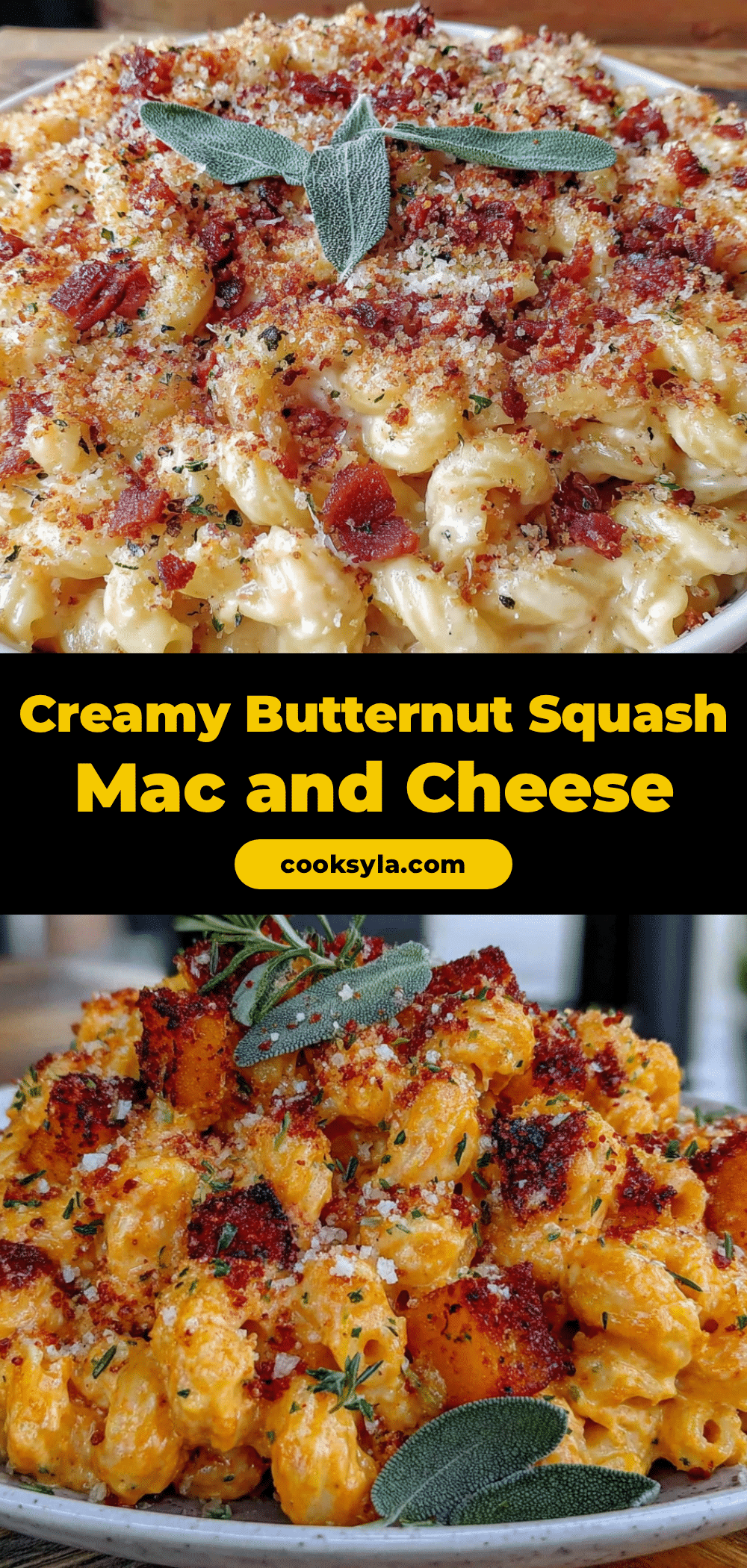
Creamy Butternut Squash Mac and Cheese: Easy Family Recipe
A creamy, comforting mac and cheese made with roasted butternut squash for natural sweetness and a velvety texture. This budget-friendly, picky eater-approved recipe comes together in about 30 minutes and is perfect for busy weeknights.
- Prep Time: 15 minutes
- Cook Time: 30 minutes
- Total Time: 45 minutes
- Yield: 8 servings 1x
- Category: Main Course
- Cuisine: American
Ingredients
- 1 medium butternut squash (about 2–3 pounds), peeled, seeded, and cubed
- 2 tablespoons olive oil
- 1/2 teaspoon salt
- 1/4 teaspoon black pepper
- 1/4 teaspoon garlic powder
- 3 tablespoons unsalted butter
- 3 tablespoons all-purpose flour
- 2 cups whole milk (warm, if possible)
- 1 cup butternut squash puree (from above)
- 2 cups sharp cheddar cheese, shredded
- 1/2 cup grated Parmesan cheese
- 1/2 teaspoon dry mustard powder
- 1/4 teaspoon smoked paprika
- Salt and pepper to taste
- 1 pound elbow macaroni (or any short pasta)
- Salt for pasta water
- 1/2 cup panko breadcrumbs (optional topping)
- 2 tablespoons melted butter (optional topping)
- 1/4 cup grated Parmesan cheese (optional topping)
Instructions
- Preheat oven to 400°F (200°C). Toss cubed squash with olive oil, salt, pepper, and garlic powder on a baking sheet. Spread in a single layer and roast for 25-30 minutes, flipping halfway, until tender and starting to brown.
- Let roasted squash cool for 5 minutes, then transfer to a blender or food processor. Add about 1/4 cup water or milk and blend until completely smooth. Set aside (should yield about 1 cup puree).
- Bring a large pot of salted water to a boil. Cook pasta according to package directions until al dente (about 8-10 minutes). Reserve 1 cup pasta water before draining. Do not rinse pasta.
- In a medium saucepan, melt butter over medium heat. Whisk in flour and cook for 1 minute, stirring constantly. Slowly pour in warm milk while whisking to prevent lumps. Continue whisking until mixture thickens (about 3-4 minutes).
- Reduce heat to low. Stir in butternut squash puree until fully combined. Add shredded cheddar, Parmesan, dry mustard, and smoked paprika. Stir until cheese is completely melted and sauce is smooth. If too thick, add a splash of reserved pasta water.
- Pour cheese sauce over cooked pasta and stir until every piece is coated. Taste and adjust seasoning with salt and pepper. If baking, transfer to a greased 9×13 dish, top with panko mixture (panko, melted butter, Parmesan), and bake at 375°F (190°C) for 15-20 minutes until bubbly and golden.
Notes
Don’t skip roasting the squash—it concentrates the natural sugars. Warm your milk before adding to the roux to prevent lumps. Always grate your own cheese for a smooth sauce. Reserve pasta water to adjust sauce consistency. The sauce may look thin at first but will thicken as it sits.
Nutrition
- Serving Size: 1 serving (about 1 c
- Calories: 420
- Sugar: 6
- Sodium: 580
- Fat: 18
- Saturated Fat: 10
- Carbohydrates: 48
- Fiber: 4
- Protein: 18
Keywords: butternut squash mac and cheese, creamy mac and cheese, healthy mac and cheese, family dinner, comfort food, vegetarian mac and cheese